The Bio4Products concept and early results will be presented during the Nordic Wood Biorefeinery Conference at the Scandic Marina Congress Center in Helsinki, Finland on 23-25 October 2018.
Capax Biobased Development (also known as Capax Environmental services) is an SME that specialises in turning biobased projects into success. Capax uses novel business development strategies combined with biobased design thinking to challenge assumptions and identify the underlying potential of projects. Based in the vicinity of Brussels, a versatile team uses disruptive approaches to facilitate investors, technology providers and project developers, in order to take the right decisions, answer to real market demands, find new market opportunities and boost their sales.
Demand for bio-based products – including those being developed in Bio4Products – looks set to grow in the United States following changes to government procurement rules.
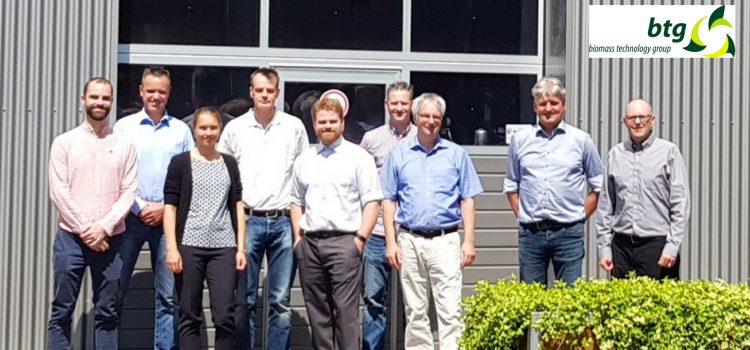
The Bio4Products concept was presented to international experts during the biannual meeting of IEA Bioenergy Task 34: Direct Thermochemical Liquefaction in the Netherlands last week.
Some of the first results of the Bio4Products project will be presented at the RRB conference on 31 May 2018 in Gent, Belgium.
As part of the revision of the EU’s Renewable Energy Directive, the European Commission proposed a gradual phase-out of crop-based biofuels, which should be replaced by more “advanced biofuels” that do not compete with food crops.
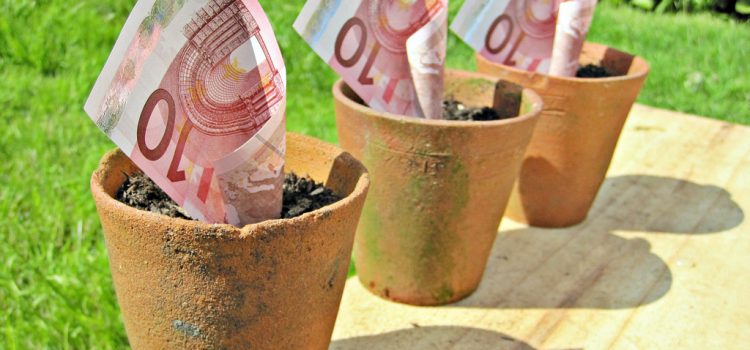
The Bio-based Industry Consortium (BIC) has published a new report on funding instruments for supporting the development of the European bioeconomy.
Looking for a more sustainable way to heat your home? A new study has found that fast pyrolysis bio-oil causes up to 95% less greenhouse gas emissions compared to fossil fuels.
MEPs have adopted tighter rules on crop-based biofuels as they look to increase the sustainable use of biomass in the EU.
The transition towards a ‘bioeconomy’ is key to combating climate change. Making products and energy from renewable, natural (and local) resources will help reduce our dependency on imported, fossil raw materials. Read More